
Card games and digital pokies sit at opposite ends of the gaming spectrum, each offering distinct forms of engagement. Understanding how skill, chance and risk differ between them helps players choose experiences that suit their preferences. Learn more about NZ agencies.
Recent data shows that “New Zealanders spent close to $2.8 billion on gambling in the 2023/2024 year… Money spent on gambling dropped during 2020/2021 (COVID-19 years) but has increased again since then. Almost a third of New Zealanders in the New Zealand Gambling Survey took part in online gambling in the 2023/2024 year” (healthify.nz, 2025).
For generations, card games have been a staple of social play, combining strategy, probability and human interaction. In contrast, free online pokies represent a modern, digital evolution of chance-based entertainment. As more players explore both formats, comparing them reveals important differences in gameplay, decision-making and perceived risk. This guide breaks down those contrasts to help enthusiasts navigate both worlds with clarity.
Foundations of Play Including Skill, Chance and Player Control
Classic card games such as poker, Uno, bridge, or blackjack are built on a balance of skill and randomness. While the shuffle introduces chance, players influence outcomes through decisions, memory and assessments of probability. Over time, experienced players tend to outperform novices, reinforcing the idea that learning and practice matter.
Free online pokies operate very differently. Outcomes are generated by random number systems, meaning each spin is independent of the last. There is no strategic input that alters the odds of a result, which places pokies firmly on the chance-driven end of the spectrum. This contrast is central to understanding why card games and pokies appeal to different mindsets.
How Strategy Shapes Outcomes in Traditional Card Games
Strategy is the defining feature of most card games. Players analyse opponents, manage risk through betting or play style and adapt to changing conditions. Even simple games reward pattern recognition and discipline, while complex variants involve deep statistical reasoning.
This strategic depth often makes card games appealing to those who enjoy mastery and long-term improvement. Success is not guaranteed in a single session, but thoughtful play increases the likelihood of favourable outcomes over time. That sense of progression is largely absent from pokies, where outcomes remain unpredictable regardless of experience.
Risk, Reward and Player Decision-Making Across Formats
Free online pokies are designed to be accessible and fast-paced. Visual themes, sound effects and bonus features provide immediate feedback, making them easy to engage with for short sessions. Because no real money is involved in free versions, they also serve as a low-pressure way to understand how digital pokies function.
Risk takes different forms depending on the game. In card games, risk is often tied to decisions: whether to play a hand, raise a bet, or adopt a conservative approach. Poor choices can be costly, but informed decisions help manage exposure.
In free online pokies, risk is largely psychological rather than financial. Without money at stake, the main consideration becomes time and engagement. Understanding this distinction helps players avoid applying card-game logic to pokies, where strategy does not influence outcomes. In the middle of exploring these differences, readers may choose to check out the best free pokie games here to compare experiences firsthand, using casino.org as a resource to safely explore options and see how they contrast with skill-based card play.
Social Context With Cards, Screens and Shared Play
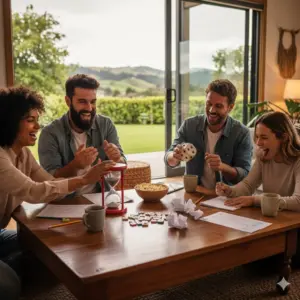
Card games have traditionally thrived in social settings, from kitchen tables to clubs. Conversation, bluffing and shared experiences are integral to their appeal. Even when played online, many card games retain chat functions and competitive ladders that emphasise interaction, reinforcing social bonds and friendly rivalry across both casual and competitive play environments.
Digital pokies, by contrast, are typically solitary experiences. While they may include leaderboards or shared themes, the core gameplay is individual. This difference explains why card games often sit alongside board games as staples of group entertainment, while pokies are framed as personal, on-demand activities suited to brief sessions.
Learning Curves and Player Expectations
Another key difference lies in how players learn each format. Card games require time to understand rules, strategies and probabilities. The learning curve can be steep but rewarding, offering a sense of accomplishment as skills improve. Some card games involve partners, and sometimes relationships can form that last many years.
Free online pokies prioritise simplicity. Most require only a basic understanding of symbols and paylines, making them accessible to newcomers. According to casino.org, this simplicity is intentional, ensuring players can focus on entertainment rather than mastery. Recognising these design goals helps players set realistic expectations for each experience.
Choosing the Right Experience Based on Play Style and Goals
Ultimately, the choice between card games and free online pokies depends on personal preference. Players who enjoy analysis, competition and gradual improvement often gravitate toward card games. Those seeking quick, visually engaging entertainment without strategic pressure may prefer free pokies.
By understanding how skill, chance and risk differ between these formats, players can make informed choices that align with their goals. Whether sitting down for a strategic card session or exploring free digital pokies for casual enjoyment, clarity about these differences leads to more satisfying play.
In a gaming landscape that continues to diversify, appreciating the distinct nature of these two formats allows enthusiasts to enjoy both responsibly and on their own terms.