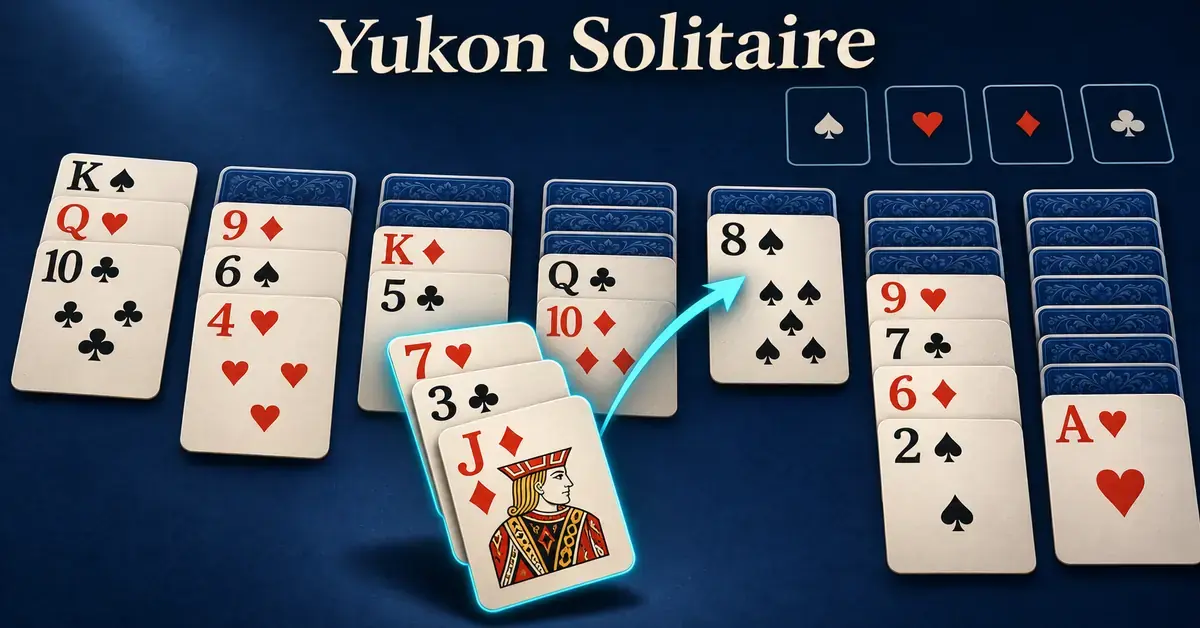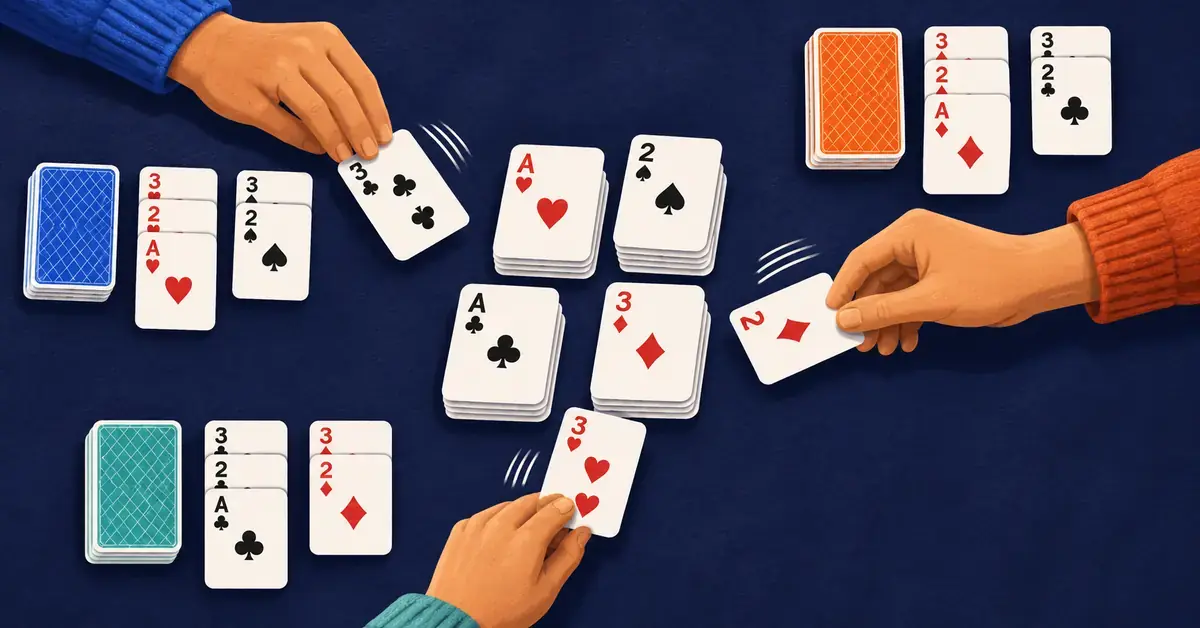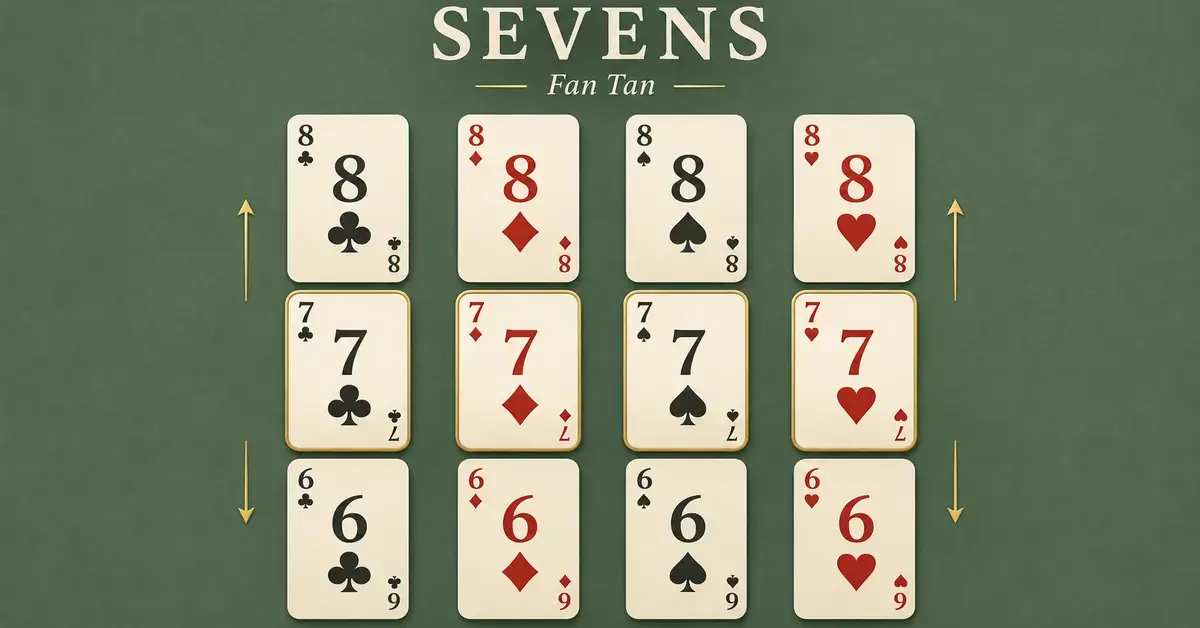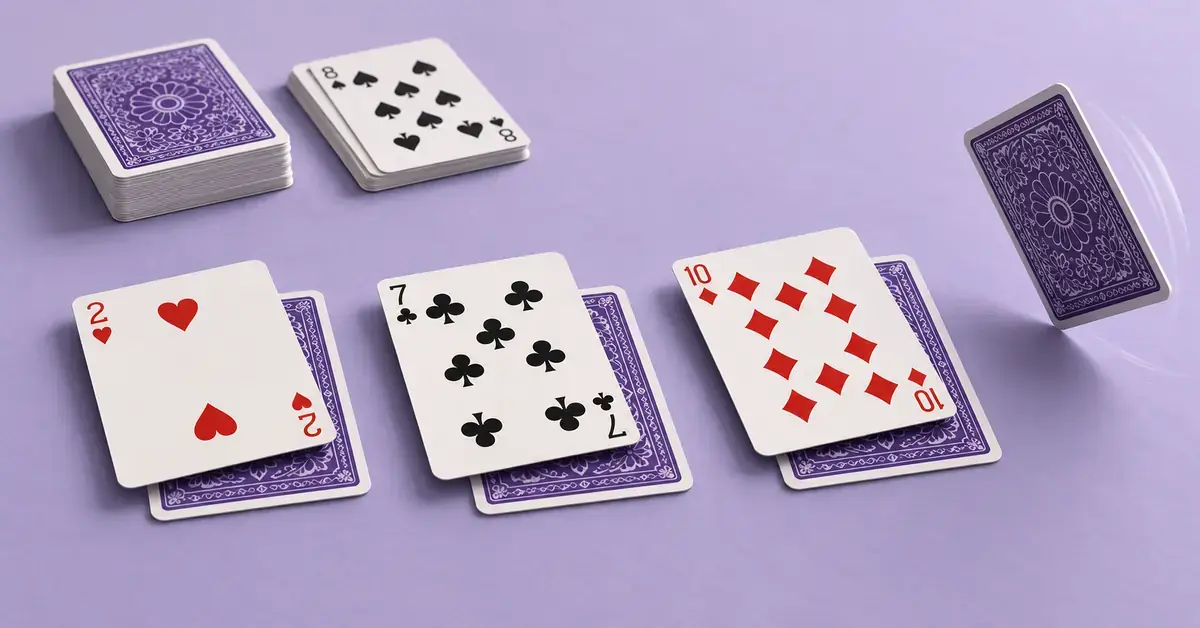
A standard deck of cards is the cheapest party kit you can own, and knowing a few drinking card games rules turns it into a whole evening of entertainment. This guide walks through the most-played card-based party games in New Zealand — Kings Cup, Ring of Fire, Ride the Bus, Pyramid, Higher or Lower and a handful of fast-reaction classics — with clear setup, step-by-step play and sensible safe-play reminders so every round stays fun for the whole group.
Key Points
- A standard 52-card deck is all you need for nearly every game in this guide — no special equipment required.
- Kings Cup and Ring of Fire are the most versatile options, suiting groups of four to ten-plus and easily customised with house rules.
- Pyramid and Ride the Bus add bluffing and memory for groups who enjoy more strategic play; Snap and Speed suit fast, high-energy bursts.
- Every game works with non-alcoholic forfeits — swap drinks for water, dares or penalty points and the rules stay the same.
- Agree a pace, keep water handy and sort transport home before you start to keep the night fun and safe for everyone.
Why Card Games Work So Well for Parties
A regular pack of cards is cheap, pocket-sized and endlessly flexible, which is exactly why card games have been a social staple for generations. Unlike boxed board games or apps that need charging, a deck fits in a jacket pocket and works anywhere — a campsite, a kitchen table or a backyard barbecue.
The appeal of card-based party games is their accessibility. Most take under five minutes to explain, scale from a couple of people to a full room, and bend easily to match your group’s energy. They also break the ice naturally, which helps when not everyone knows each other yet.
- Low cost: one standard 52-card deck covers nearly every game below.
- Scalable: most games run with anywhere from two to ten-plus players.
- Flexible: swap any alcoholic forfeit for a soft drink, a mocktail, water or a dare at any time.
- Familiar: if your group already enjoys shedding games like Last Card, New Zealand’s favourite Uno-style game, picking up these rules takes minutes.
For a broader look at the category and its origins, see our overview of drinking card games and how they fit a night in. The sections below focus on the rules themselves.
Agree the Ground Rules First
Before any cards are dealt, spend thirty seconds agreeing a few basics as a group. It keeps the night fun and takes the pressure off anyone who wants to go slowly.
- Set a pace everyone’s happy with and make it normal to pass on a drink or swap in water.
- Keep non-alcoholic options on the table so nobody feels singled out for opting out.
- Sort transport home in advance — a designated driver, a ride or a plan to stay over.
- Eat before and during, and never start on an empty stomach.
With that settled, here are the games.
Kings Cup: The Classic Circle Game
Kings Cup — also written King’s Cup, and sometimes called Circle of Death — is one of the most widely played card-based party games anywhere. It blends luck, running rules and silly dares into one cheerfully chaotic game, and it scales comfortably from a small flat to a packed lounge.
What You Need
- One standard 52-card deck
- A large central cup (the King’s Cup)
- A drink of your choice for each player
How to Play Kings Cup
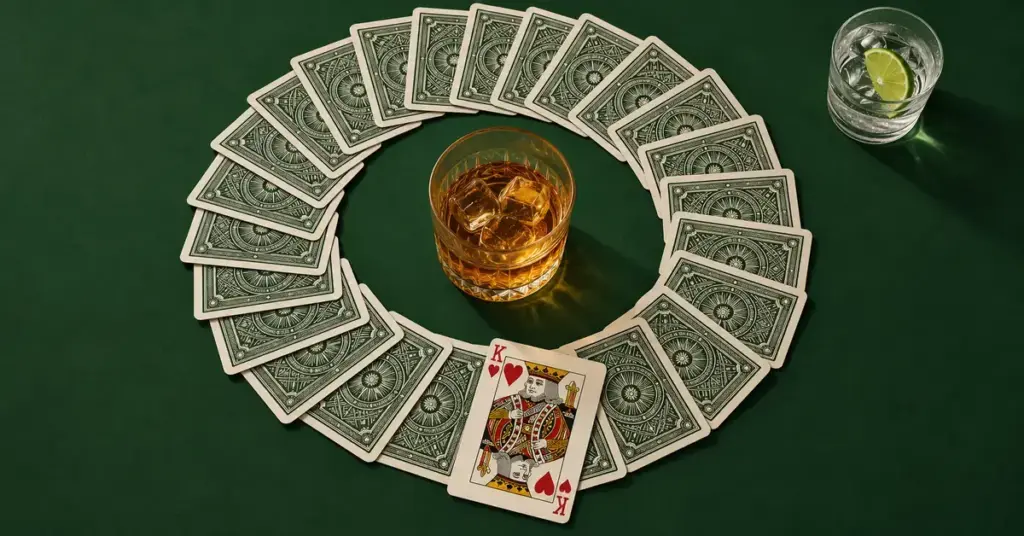
- Spread every card face-down in a ring around the central cup.
- Players take turns drawing a single card and performing the rule tied to that card’s value.
- Whenever a King is drawn, that player pours a little of their drink into the central cup.
- The player who draws the fourth and final King drinks whatever has collected in the cup.
- Play continues until every card is drawn, or the group decides to stop.
Standard Card Rules
Card meanings vary from group to group — agreeing your own version beforehand is half the fun. A common NZ set looks like this:
- Ace – Waterfall: everyone drinks, and you can’t stop until the person to your right stops.
- 2 – You: pick someone to take a sip.
- 3 – Me: you take a sip.
- 4 – Floor: last person to touch the floor drinks.
- 5 – Thumb Master: rest your thumb on the table at any point; the last to copy you drinks.
- 6 – Chicks / 9 – Guys (or left/right side of the circle): the named group takes a sip — many groups split by seat rather than gender.
- 7 – Heaven: last person to point to the sky drinks.
- 8 – Mate: choose a partner who drinks whenever you do for the rest of the game.
- 10 – Categories: name a category; go around naming items until someone stalls or repeats — they drink.
- Jack – Rhyme: say a word and go around rhyming it until someone fails.
- Queen – Question Master: anyone who answers one of your direct questions drinks.
- King – Pour: add to the central cup (and the fourth King drinks it).
Ring of Fire: The Best-Known Variant
Ring of Fire is essentially Kings Cup’s close cousin — the structure is nearly identical, with cards spread in a ring and drawn one per turn. The main twist is the unbroken-ring rule: the circle of cards must stay connected, and any player who breaks the ring while drawing takes an immediate sip. As hands get less steady through the night, that single rule adds a surprising amount of tension to every draw.
How Ring of Fire Differs from Kings Cup
- The ring of cards must never be broken; breaking it is an instant drink.
- Some card values swap meanings — for example, a Jack often becomes a round of “Never Have I Ever” (hold up three fingers and lower one for each thing you’ve done).
- Older card names for the gendered cards were crude; most modern groups replace them with neutral “left-hand side drinks” and “right-hand side drinks” rules, which also work better in mixed company.
If your group finds standard Kings Cup a little too familiar, the unbroken-ring rule gives Ring of Fire just enough of a fresh edge.
Ride the Bus: Memory and Nerve
Ride the Bus is a two-phase game that rewards a good memory and punishes a bad guess. It runs best with four to eight players and a single deck, and it has a reputation for leaving one unlucky player sipping steadily while everyone else watches.
Phase 1 – Building Your Hand
- The dealer asks each player four questions in order: Red or black? Higher or lower? Inside or outside (the two cards you already hold)? Guess the suit.
- A card is dealt face-up after each guess. A correct guess lets you hand out a sip; a wrong guess means you take one.
- Once every player holds four cards, Phase 1 ends.
Phase 2 – Riding the Bus
- The player with the most matching cards (most pairs, for example) is chosen to “ride the bus.”
- The dealer lays five cards face-down in a row.
- The rider predicts red or black for each card in sequence. Every wrong guess means a sip and starting again from card one.
- The round ends when the rider calls all five correctly in a row — or when the group agrees a maximum number of restarts, which is a kind idea.
Ride the Bus can be brutal on a bad run of luck, so keep an eye on whoever is stuck on the bus and encourage breaks.
Pyramid: Bluffing and Memory
Pyramid rewards a cool poker face almost as much as good cards. It is a strong choice for groups who enjoy a little strategy and reading other players.
Setup
- Deal each player four cards face-down; players may peek at their own cards once, then leave them down.
- Build a face-down pyramid in the centre: five cards along the bottom row, then four, three, two and one at the top — 15 cards in all.
How to Play
- Flip the pyramid cards one at a time, starting from the bottom row.
- Any player who claims to hold a card matching the flipped value can assign sips — one sip per card in the bottom row, rising to five sips for the single top card.
- The player told to drink can call the bluff. If the claimer can’t show the matching card, they drink double; if they can, the challenger drinks double.
- The round ends once the whole pyramid has been flipped.
The bluffing element means you can assign drinks on cards you don’t actually hold — just be ready to be caught.
Higher or Lower: Simple but Sneaky
Sometimes the plainest game does the most damage. Higher or Lower needs no setup and almost no explaining, which makes it ideal when the group just wants to get started.
Basic Rules
- Shuffle the deck and place it face-down in the centre.
- Flip the top card face-up.
- The active player guesses whether the next card will be higher or lower.
- A correct guess passes the deck to the left; a wrong guess means a sip and another try (or a pass, depending on your house rules).
- Decide before you start whether aces count high or low.
Popular Variants
| Variant | Players | Key twist |
|---|---|---|
| Basic Higher or Lower | 2–10 | Guess, then drink on a wrong call |
| Streak Mode | 2–6 | Get five right in a row or drink for the whole streak |
| Team Higher or Lower | 4–10 | Teams alternate; the losing team drinks together |
| Blind Pyramid | 3–8 | Guess before the flip; a wrong guess adds a card to your pile |
Snap and Other Fast-Reaction Games
Reaction games are perfect for short bursts of energy between the slower strategy games, and they are brilliant for loosening up a group early in the night.
Drinking Snap
- Deal the full deck evenly among all players, who hold their cards face-down.
- Players take turns flipping their top card onto a central pile.
- When two consecutive cards match in value, the first to slap the pile and shout “Snap!” wins the pile.
- Anyone who calls “Snap!” with no match takes a sip; the slowest to react on a genuine Snap takes two.
- Whoever collects all the cards wins; everyone else drinks once for each ten cards still in hand.
For the full non-drinking ruleset, see our guide to the Snap card game.
More Reaction Variants
- Slapjack: slap the pile whenever a Jack turns up. A wrong slap or the slowest slap is a sip.
- Spoons (drinking version): classic Spoons, but whoever misses out on a spoon drinks instead of being knocked out — so everyone keeps playing.
- Speed: a frantic two-player race to shed your cards; the loser of each round takes a sip. Learn the standard version in our Speed card game guide.
Game Comparison
| Game | Players | Setup | Skill vs luck | Best for |
|---|---|---|---|---|
| Kings Cup | 4–10+ | Cards in a ring + central cup | Mostly luck, some dares | Big, lively groups |
| Ring of Fire | 4–10+ | Unbroken ring + central cup | Mostly luck | Groups wanting a fresh twist |
| Ride the Bus | 4–8 | Single deck, dealer-led | Memory and nerve | Players who like a challenge |
| Pyramid | 3–8 | 15-card pyramid + hands | Bluffing and memory | Strategy and poker faces |
| Higher or Lower | 2–10 | Just a shuffled deck | Pure luck | Quick, no-fuss starts |
| Drinking Snap | 3–8 | Deck dealt evenly | Fast reactions | High-energy bursts |
Common Mistakes to Avoid
- Skipping the setup chat: house rules and card meanings vary hugely, so agree them before the first draw to avoid mid-game arguments.
- Letting one player take all the heat: games like Ride the Bus and Pyramid can pile drinks onto one unlucky person — cap restarts or spread the forfeits.
- No pacing plan: fast-reaction games can empty a glass quickly; smaller sips keep everyone in the game longer.
- Forgetting the water: keep water within reach and alternate it in.
Playing Without Alcohol
Every game in this guide works exactly the same with no alcohol at all. Swap each drinking forfeit for a non-alcoholic one and nothing about the rules changes:
- A sip of water, juice or a soft drink
- A dare or a truth question
- A spicy sauce or mystery-flavour jellybean
- A quick forfeit such as ten push-ups, or a simple penalty-point score
Non-alcoholic versions suit designated drivers, anyone pacing themselves and younger or mixed groups. If you enjoy the social, skill-based side of cards without any drinking element, the strategy in our guide to poker rules and hand rankings or a session of online party games you can play remotely both make great alternatives.
Responsible Drinking Note
This article explains how these games are played; it is general information, not advice to drink. Alcohol affects everyone differently, and no game, drink or “strategy” changes how your body processes it. Health New Zealand’s low-risk guidance is a maximum of 10 standard drinks a week for women and 15 for men, no more than 2 (women) or 3 (men) on any day, and at most 4 (women) or 5 (men) on a single occasion — with at least two alcohol-free days each week. One standard drink is 10 grams of pure alcohol (for example, a 330ml can of 4% beer or a 100ml pour of 12.5% wine). It is illegal to supply alcohol to under-18s without parental consent, and no amount is considered safe during pregnancy. If you are worried about your own or someone else’s drinking, the free, confidential Alcohol Drug Helpline is available 24/7 on 0800 787 797 or by texting 8681, and alcohol.org.nz has further guidance.
Sources
Frequently Asked Questions (FAQ)
What is the most popular drinking card game in New Zealand?
Kings Cup, also known as Ring of Fire or Circle of Death, is among the most widely played. Its flexible card rules let every group personalise the game, it needs only a standard deck and a central cup, and it scales from a small flat to a large party, which makes it a common go-to for Kiwi gatherings.
How many players do you need for drinking card games?
Most of these games work best with four to eight players, but many stretch further. Higher or Lower and Ride the Bus can run with just two people, while Kings Cup, Ring of Fire and Pyramid comfortably handle ten or more with a single deck. Reaction games like Drinking Snap and Spoons are better the larger the group.
Can you play drinking card games without alcohol?
Yes, and it is a good idea whenever some players don’t drink, are driving or simply want to pace themselves. Replace any drinking forfeit with water, juice, a dare or a spicy challenge. Every game in this guide plays identically without alcohol, so no one has to sit out.
Do you need a special deck for drinking card games?
No. A standard 52-card deck (plus Jokers if your rules use them) covers every game here. Some party shops sell purpose-printed Kings Cup or Ring of Fire decks with the rules on each card, which can help newcomers, but they are entirely optional.
What is the difference between Kings Cup and Ring of Fire?
The two are nearly identical in structure — cards spread in a ring, one drawn per turn, each value triggering a rule. The differences are mostly in the card-value assignments and in Ring of Fire’s unbroken-ring rule, where breaking the circle of cards while drawing forces an immediate sip.