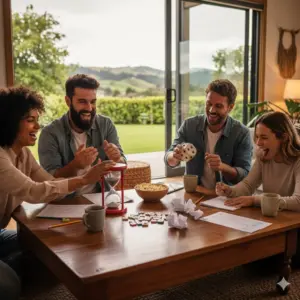


The Warehouse puzzles have long served as a staple of New Zealand domestic entertainment, offering a high-value entry point for Kiwi families to engage in cognitive development and social bonding through tabletop play. As the primary retail destination for general-market puzzles in Aotearoa, the specific inventory at The Warehouse reflects a strategic blend of international hits and locally manufactured favorites like the Wasgij and Holdson ranges. This comprehensive guide provides an expert analysis of the current market landscape, exploring how spatial reasoning and mental acuity are sharpened through the diverse selection of jigsaw puzzles available at local "Red Sheds". We cover everything from the developmental benefits of 35-piece frame tray puzzles for toddlers to the high-difficulty 1000-piece challenges favored by adult enthusiasts. By the end of this article, you will have a professional-grade understanding of the logistical advantages of sourcing from NZ-based warehouses, including tips for identifying archival-quality pieces and techniques for mastering the most complex grid layouts. Whether you are a casual hobbyist or a dedicated solver, understanding the nuances of the local puzzle market is essential for maximizing both the fun and the cognitive ROI of your next family game night.
- Strategic Growth: Puzzles are statistically linked to reduced stress and enhanced dopamine production.
- Market Access: The Warehouse offers over 280 puzzle and game SKUs specifically curated for the NZ audience.
- Economic Value: Adult 1000-piece puzzles start from approximately $12.00, making them a cost-effective mental health investment.
- NZ Manufacturers: Prominent brands like Holdson produce puzzles locally, ensuring high supply chain reliability.
- Skill Tiers: Selection ranges from "Early Play" frame trays to expert "Wasgij" mystery challenges.
Strategic Growth: Puzzles are statistically linked to reduced stress and enhanced dopamine production.
Market Access: The Warehouse offers over 280 puzzle and game SKUs specifically curated for the NZ audience.
Economic Value: Adult 1000-piece puzzles start from approximately $12.00, making them a cost-effective mental health investment.
NZ Manufacturers: Prominent brands like Holdson produce puzzles locally, ensuring high supply chain reliability.
Skill Tiers: Selection ranges from "Early Play" frame trays to expert "Wasgij" mystery challenges.
The Fundamentals of The Warehouse Puzzle Selection
The selection process for sourcing puzzles at The Warehouse involves navigating a vast array of brands and piece counts designed to cater to every developmental stage. For New Zealand parents, the "Play Studio" and "Wasgij" ranges are the most recognizable, providing a spectrum of difficulty that allows for a natural progression of skills. Adult enthusiasts typically gravitate toward the 1000-piece categories, where intricate designs and higher piece density provide a multi-hour cognitive workout that improves visual-spatial reasoning. In contrast, the children's section focuses on "Frame Tray" and "Cube" puzzles, which utilize larger, more durable pieces to help younger children develop fine motor skills and basic pattern recognition. By understanding the specific tiers of inventory available, Kiwi households can make informed decisions that balance entertainment with educational value.
| Puzzle Category | Ideal Age Group | Primary Skill Focus | Key Brands |
| Frame Tray (35pc) | 3–5 Years | Fine Motor / Matching | Holdson, Play Studio |
| Cube/Floor (100pc) | 6–8 Years | Spatial Awareness | Dinosaur Junior, Unicorn Wonder |
| Standard (500pc) | 9–12 Years | Logical Reasoning | Wasgij Retro, Play Studio |
| Expert (1000pc) | 13+ Years | Memory / Persistence | Wasgij Original, Holdson |
Understanding Brand Specialization
Certain brands at The Warehouse specialize in unique mechanics that alter the traditional solving experience. For example, Wasgij puzzles—a perennial favorite in NZ—require the solver to use clues on the box to piece together a scene from a character's perspective rather than the image on the lid. This adds a layer of deductive reasoning that is absent in standard "what-you-see-is-what-you-get" puzzles.
Cognitive Development and Mental Health Benefits
Engaging in regular puzzling is more than a simple pastime; it is a clinical tool for enhancing neuroplasticity and mental well-being. Research indicates that older adults who participate in regular word and number puzzles can sharpen their brains and potentially delay the onset of dementia symptoms by up to two and a half years. In the New Zealand context, where depression affects approximately 1 in 8 men and 1 in 5 women, the meditative nature of a jigsaw puzzle serves as a critical "screen-free" intervention that encourages mindfulness and lowers cortisol levels. By focusing on the placement of individual pieces, the mind clears of daily stressors, replacing anxiety with a sense of peace and tranquility.

Psychological ROI of Puzzling
- Dopamine Release: Every successful piece placement triggers the release of dopamine, regulating mood and concentration.
- Memory Support: Working on complex grids reinforces connections between brain cells, improving mental speed and short-term memory.
- Stress Reduction: Puzzling mimics the benefits of meditation, lowering blood pressure and heart rate.
- Executive Function: Challenges your mind to plan and organize, which are skills crucial for elderly mental health.
Dopamine Release: Every successful piece placement triggers the release of dopamine, regulating mood and concentration.
Memory Support: Working on complex grids reinforces connections between brain cells, improving mental speed and short-term memory.
Stress Reduction: Puzzling mimics the benefits of meditation, lowering blood pressure and heart rate.
Executive Function: Challenges your mind to plan and organize, which are skills crucial for elderly mental health.
Mastering Jigsaw Solving: Professional Techniques
To transition from a casual solver to an expert, one must adopt a systematic approach to the puzzle grid. Professional solvers recommend starting with a "perimeter scan" to identify and assemble the edge pieces first, creating a clear framework for the interior work. However, some experts suggest that if a central feature—like a bright sun or a distinct character—is more identifiable, it may be more efficient to start with these "contiguous" pieces. Utilizing sorting trays is a professional-grade tactic that allows you to categorize pieces by color, pattern, or specific shape (e.g., "knobs" and "holes"), drastically reducing the time spent searching for a single missing piece.
| Step | Technique | Rationale |
| 1. Preparation | Clear dust and sort pieces | Prevents frustration and mess |
| 2. The Frame | Assemble the edges first | Defines the workspace and boundaries |
| 3. Sorting | Group by color and pattern | Speeds up identification in large sections |
| 4. Segments | Work on small, distinct areas | Builds momentum and sense of achievement |
| 5. The Finish | Finalize the miscellaneous sections | Uses deductive logic to fill the gaps |
Tips for Difficult Sections
When faced with large areas of monochromatic sky or water, experts suggest further sorting by piece shape. By separating pieces into piles based on their number of "knobs" and "holes," you gain more information to inform your search. Taking regular breaks is also advised, as a fresh perspective can often help you spot a connection that your tired eyes missed.
The Role of NZ Manufacturers in Warehouse Inventory
A significant portion of the puzzle inventory at The Warehouse is manufactured locally or designed specifically for the New Zealand market. Brands like Holdson have been part of the NZ tabletop fabric for decades, producing puzzles that feature stunning local photography, native birds, and art by Kiwiana creators like Lucy Gauntlett. This local connection ensures that the puzzles are printed using recyclable materials and vegetable-based inks, aligning with New Zealand's environmental values. Sourcing these local pieces from the "Red Shed" not only supports the domestic industry but also ensures that the themes resonate with the cultural identity of Kiwi solvers.

Why Sourcing Local Matters
- Archival Quality: NZ-made puzzles often use thicker cardboard and superior printing techniques.
- Cultural Relevance: Themes like Matariki, Rotorua landscapes, and native wildlife make for excellent display pieces.
- Sustainability: Many local ranges use recyclable materials and aim to reduce digital noise through tactile play.
- Supply Chain: Local manufacturing means fewer delays and better availability of new releases.
Archival Quality: NZ-made puzzles often use thicker cardboard and superior printing techniques.
Cultural Relevance: Themes like Matariki, Rotorua landscapes, and native wildlife make for excellent display pieces.
Sustainability: Many local ranges use recyclable materials and aim to reduce digital noise through tactile play.
Supply Chain: Local manufacturing means fewer delays and better availability of new releases.
Educational Integration: Puzzles for the NZ Classroom
New Zealand's early childhood and primary education sectors utilize puzzles as vital tools for developing foundational skills. The Warehouse inventory includes specialized "Matching Puzzles" and "Alphabet/Number Puzzles" that are frequently used in schools to introduce literacy and numeracy concepts. For example, "Te Reo Matching Puzzles" help students acquire language skills through immersive, play-based learning. By engaging with these physical tools, children develop the "executives functions" needed for planning and organization, which are critical precursors to academic success.
| Academic Area | Puzzle Application | Developmental Benefit |
| Numeracy | Number Matching Puzzles | Basic counting and digit recognition |
| Literacy | Alphabet/Te Reo Puzzles | Word-object association and language |
| Science | Planet/Dinosaur Puzzles | Memory and categorical knowledge |
| Social | Group/Family Jigsaws | Teamwork and social connection |
Play-Based Learning Outcomes
Educational research shows that any activity requiring a child to "figure something out" helps keep their neural pathways intact. Whether it is a 3D wooden animal puzzle or a simple shape sorter, these challenges act as backup routes in the brain's complex highway system, protecting against future cognitive decline.
Digital vs. Physical: The "Red Shed" Hybrid Approach
While The Warehouse primarily focuses on physical cardboard and wooden puzzles, the modern "World of Cards" and puzzles in NZ is increasingly a hybrid experience. Digital puzzles on tablets or smartphones offer convenience and infinite replayability without the risk of losing a piece. However, purists argue that the physical act of "disconnecting" from digital noise is the primary health benefit of puzzling. The Warehouse effectively bridges this gap by offering "Interactive" puzzles and accessories like puzzle roll-mats and glue, allowing physical works to be preserved as digital-free display pieces. Read more about the history of these brain teasers in the Wikipedia entry for jigsaw puzzles.

Balancing Screen Time with Puzzles
- Solitaire vs. Group: Digital solitaire is excellent for solo mental exercise, but physical puzzles offer superior social connection.
- The "No Screen" Zone: Using puzzles before bed can help the body avoid blue light, making it easier to fall asleep.
- Tactile Reward: The physical achievement of placing the final piece provides a tangible confidence boost.
Solitaire vs. Group: Digital solitaire is excellent for solo mental exercise, but physical puzzles offer superior social connection.
The "No Screen" Zone: Using puzzles before bed can help the body avoid blue light, making it easier to fall asleep.
Tactile Reward: The physical achievement of placing the final piece provides a tangible confidence boost.
Logistical Sourcing: Sourcing From Online Warehouses
For Kiwi enthusiasts, sourcing puzzles online from centralized warehouses offers a level of selection that local physical stores cannot match. Online retailers like Mighty Ape and The Toybox NZ ship nationwide from regional hubs, offering "VIP sale access" and "digital receipts" for long-term collection tracking. This logistical efficiency ensures that even rural customers in the South Island can access premium brands like Ravensburger or Cobble Hill within 2–5 working days. By utilizing online "deal of the day" filters, savvy NZ shoppers can acquire 1000-piece sets for under $15.00, significantly lowering the barrier to entry for the hobby.
| Sourcing Channel | Key Advantage | Best For |
| In-Store (The Warehouse) | Immediate pickup / No shipping | Impulse buys / Gifts |
| Online (Hobby Specialists) | Global brand variety | Archival & Premium pieces |
| Marketplace Stores | Competitive pricing | Rare or discontinued titles |
| NZ Warehouse Clubs | Loyalty rewards | Frequent solvers / Collectors |
Advanced Accessories: Enhancing the Puzzling Experience
As a puzzle collection grows, the need for professional accessories becomes apparent. The Warehouse and specialized NZ hobby shops stock "Puzzle Roll Mats" (up to 107cm x 75cm), which allow you to clear your dining table without losing your progress. For those looking to turn their achievement into art, "Peel & Stick" puzzle savers or liquid puzzle glue are essential tools for permanently bonding the pieces together before framing. These accessories transform a temporary activity into a permanent reflection of your creativity and persistence.

Top Tier Accessories
- Sorting Trays: Essential for categorizing large 1000-piece sets.
- Felt Roll Mats: Allows for safe storage and portability.
- Glue & Savers: Provides a way to display your completed work as wall art.
- Archival Frames: Specialized frames designed to hold the specific depth of a jigsaw.
Sorting Trays: Essential for categorizing large 1000-piece sets.
Felt Roll Mats: Allows for safe storage and portability.
Glue & Savers: Provides a way to display your completed work as wall art.
Archival Frames: Specialized frames designed to hold the specific depth of a jigsaw.
Seasonal Trends: The Winter Puzzling Rush in NZ
In New Zealand, the demand for puzzles peaks during the winter months and school holidays, as families seek indoor activities to escape the weather. During these periods, The Warehouse often features "School Holiday Bargains," where complex jigsaws and board games are discounted to encourage family bonding. Seasonal themes—such as Christmas-themed Wasgij puzzles or New Zealand road sign matching sets—become high-volume sellers. By timing your purchases with these seasonal restocks, you can access the newest arrivals from brands like Hinkler and Holdson before they sell out during the winter rush.
| Season | Theme Focus | Primary Buyer |
| Winter (June–Aug) | 1000pc Jigsaws | Adults & Seniors |
| Spring (Sept–Nov) | Educational / Early Play | Parents & Schools |
| Summer (Dec–Feb) | Travel Games / Christmas | Holidaymakers |
| Autumn (March–May) | New Artist Releases | Collectors |
Future Outlook: Sustainable Puzzling in 2026
Looking ahead, the New Zealand puzzle market is moving toward even greater sustainability and digital-free play. Local manufacturers are increasingly using vegetable-based inks and recycled cardboard to meet the growing demand for eco-friendly toys. As "screen fatigue" continues to be a concern for modern parents, the tactile, quiet rhythm of sorting and assembling pieces remains an irreplaceable tool for grounded, mindful living. The Warehouse puzzles will likely remain a centerpiece of this movement, providing an accessible and culturally relevant way for New Zealanders to keep their brains sharp and their homes peaceful in 2026 and beyond.
Final Thoughts
The Warehouse puzzles represent a vital cultural bridge in New Zealand, offering a high-value, accessible path to cognitive health and social connection. By mastering the systematic techniques of the expert solver and understanding the diverse selection of locally manufactured pieces, Kiwi households can transform a simple table surface into a vibrant gymnasium for the mind. Whether you are assembling a Te Reo matching puzzle with a toddler or tackling a 1000-piece Wasgij mystery, the sense of fulfillment upon completing a puzzle is an enduring reward that transcends age and background. As we navigate an increasingly digital world, the "Red Shed" provides a necessary sanctuary of cardboard and logic, ensuring that the simple joy of finding the "perfect fit" continues to be passed down through generations.
FAQ
What are the best puzzle brands at The Warehouse?
Popular brands include Wasgij (for mystery challenges), Holdson (for NZ themes), and Play Studio (for high-value standard jigsaws).
How much do 1000-piece puzzles cost at The Warehouse?
Prices typically start around $12.00 for Play Studio house brands, with premium Wasgij and Holdson ranges priced between $28.00 and $35.00.
Can puzzles help prevent dementia?
While they cannot prevent it, research shows that regular puzzling can delay the onset of dementia symptoms by roughly two and a half years.
What should I do if a puzzle piece is missing?
Many reputable manufacturers like Holdson and Ravensburger offer "missing piece" services if you contact them via their official website.
Are there puzzles for toddlers at The Warehouse?
Yes, the "Early Play" section includes wooden peg puzzles and large-piece frame trays designed specifically for 0–2 and 3–4 year olds.
What is a Wasgij puzzle?
A Wasgij puzzle is a "mystery" jigsaw where the image on the box is not what you build; instead, you build the scene as seen by the characters on the lid.
How long does it take to solve a 1000-piece puzzle?
For a single person, it typically takes between 5 and 20 hours, depending on experience and the complexity of the design.
Where are Wasgij puzzles made?
Wasgij puzzles sold in New Zealand are often manufactured locally by Holdson using recyclable materials.
Do I need a puzzle mat?
A puzzle mat is highly recommended if you need to use your dining table for other tasks; it allows you to roll up your progress safely.
Can I buy NZ-themed puzzles at The Warehouse?
Yes, look for the "Puzzlers World" and Holdson ranges, which feature iconic NZ locations like Rotorua, Wai-O-Tapu, and Queenstown.