
A Pokémon booster box is the largest sealed configuration of the trading card game sold through hobby channels: a factory-wrapped display that holds 36 booster packs from a single expansion. For collectors and players in New Zealand it is the most efficient way to open a large number of cards at once, work toward a complete set, and chase the scarce “hit” cards that give each release its character. This Pokémon booster box NZ guide explains what a sealed box actually contains, how the 2026 Mega Evolution expansions have rolled out, what the rarity tiers mean, where to buy sealed product safely in Aotearoa, and how to tell a genuine box from a resealed one — written for newcomers and long-time collectors alike.
Key Facts
| Format | Sealed 36-pack display box |
|---|---|
| Cards per pack | 10 game cards + 1 basic Energy + 1 code card |
| Total per box | 360 game cards (plus 36 Energy) |
| Current series | Mega Evolution (2025–2026) |
| Typical NZ price | Around NZD $280–$340 |
| Digital tie-in | Each pack includes a Pokémon TCG Live code |
| Buy safely | Official Pokémon Center or an established NZ game store |
What a sealed box actually contains
A full display box is the retail unit that specialist stores open to sell individual packs. Buying the whole box keeps every pack sealed and “unweighted”, meaning the packs have not been handled, pre-sorted or tampered with. In the current English range, each box contains 36 packs, and each pack holds 10 game cards plus one basic Energy card and a code card that unlocks a digital version of the pack in Pokémon TCG Live.
Because a box collects 36 packs from the same expansion, it gives a far more even spread of commons, uncommons, rares and higher rarities than buying loose packs. That makes it the common choice for players assembling multiple copies of staple cards, and for collectors trying to complete a set. If you only want a handful of packs rather than a full display, our guide to buying Pokémon packs in New Zealand covers the smaller formats such as booster bundles and blister packs.
| Feature | Typical specification (English release) |
|---|---|
| Packs per box | 36 booster packs |
| Cards per pack | 10 game cards + 1 basic Energy + 1 code card |
| Total game cards | 360 per box (plus 36 Energy) |
| Digital code | One Pokémon TCG Live code card per pack |
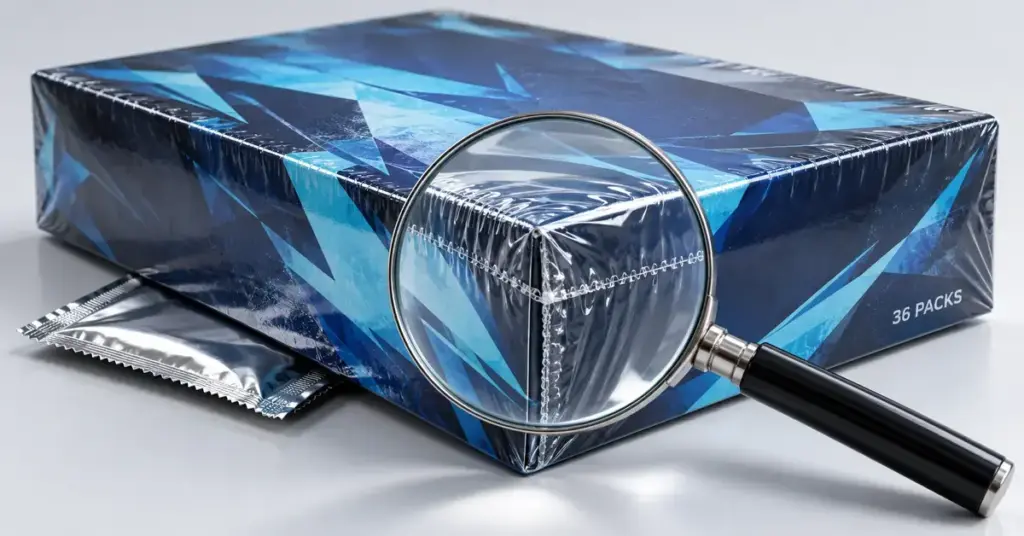
| Authenticity marker | Factory shrink-wrap with the official logo and a single heat-seal seam |
The 2026 Mega Evolution series and its release calendar

The current English series is Mega Evolution, which reintroduced the Mega Evolution mechanic and high-HP Pokémon ex to the card game. The series opened in late 2025 and has released a new main expansion roughly every two months through 2026. The table below lists the confirmed English release dates. As of late October 2026, every set except the final expansion has shipped.
| Expansion | English release | Notes |
|---|---|---|
| Mega Evolution (base set) | 26 Sep 2025 | Launched the Mega Evolution series |
| Phantasmal Flames | 14 Nov 2025 | Fire and Darkness focus; headlined by Mega Charizard X ex |
| Ascended Heroes | 30 Jan 2026 | Over 290 cards; Mega Lucario ex and Mega Gardevoir ex |
| Perfect Order | 27 Mar 2026 | Tied to the Pokémon Legends: Z-A video game |
| Chaos Rising | 22 May 2026 | Mid-year Mega Evolution expansion |
| Pitch Black | 17 Jul 2026 | Darkness-themed expansion |
| 30th Celebration | 16 Sep 2026 | Anniversary set; released worldwide on the same day |
| Delta Reign | 6 Nov 2026 | Final main expansion of the Mega Evolution era |
New Zealand availability can lag the global street date by a few weeks, and local hobby shops often receive Elite Trainer Boxes and booster bundles before full 36-pack displays are restocked. The franchise also reached its 30th anniversary on 27 February 2026 — the first Pocket Monsters games launched in Japan on 27 February 1996 — which shaped the anniversary branding across the year’s products.
Rarities and what you can expect to open

Modern expansions use a layered rarity structure that rewards opening volume. A full box reliably produces a mix of the lower rarities and usually several higher-end cards, but the exact spread varies from box to box. It is worth being clear on one point: The Pokémon Company does not publish official per-box or per-pack odds, so any “one in six boxes” style figure you see online is a community estimate, not a guarantee.
- Double Rare (ex): Foil Pokémon ex cards; several per box is typical.
- Illustration Rare: Full-art versions of Pokémon with extended artwork.
- Special Illustration Rare (SIR): Premium full-card art and the usual “chase” cards of a set.
- Hyper Rare (gold): The scarcest tier, with a gold finish; far less common than the rest.
The table below shows a rough, community-estimated distribution for a current 36-pack box. Treat it as a general expectation rather than a promise, because distribution genuinely differs between individual boxes.
| Rarity tier | Approximate per box | Role |
|---|---|---|
| Illustration Rare | ~3 | Popular collector cards |
| Double Rare (ex) | ~4–6 | Playable and collectable |
| Special Illustration Rare | Not in every box | Main chase cards |
| Hyper Rare (gold) | Occasional | Scarcest tier |
Where to buy a booster box in New Zealand
To be sure you receive an untouched, factory-sealed box, buy from the official store or an established local game shop rather than an anonymous listing. The official Pokémon Center online store ships to New Zealand and lists its 36-pack display boxes around NZD $282–$317, which is a useful reference point for what a current box should cost. Dedicated New Zealand retailers such as Card Merchant and The Game Tree carry both English and Japanese sealed product, while mass-market stores like Kmart NZ and The Warehouse tend to stock smaller formats (booster bundles and Elite Trainer Boxes) rather than full displays.
Prices move with demand and supply, so compare a few sources before buying, and be wary of any current-generation box priced well below the official range. The comparison below groups the main channels Kiwi buyers use. For wider context on sourcing cards, see our overview of collectible card games in New Zealand.
Retailer Comparison
| Channel | What they stock | Typical price / notes |
|---|---|---|
| Pokémon Center (official, ships to NZ) | 36-pack display boxes, ETBs, bundles | ~NZD $282–$317 for a display box; benchmark price |
| Card Merchant | English and Japanese sealed product; singles | Established NZ hobby retailer; online and in-store |
| The Game Tree | Booster boxes, Japanese sets, graded singles | Specialist NZ store with nationwide shipping |
| WP Games | Sealed boxes and accessories | Online NZ retailer; courier delivery |
| Kmart NZ / The Warehouse | Booster bundles and Elite Trainer Boxes | Mass-market; rarely full 36-pack displays |
| Trade Me (secondary market) | New and used sealed product | Wide choice but higher resealed/counterfeit risk — vet the seller |
How to spot a resealed or counterfeit box
As sealed product has become more valuable, resealed boxes and outright counterfeits have appeared on secondary marketplaces. A resealer may remove high-value packs, replace them, and re-shrink the box. Because the secondary market carries this risk, treat private sales with care — our guide to buying and selling on Trade Me explains how to vet a listing and seller before you pay.
- Shrink-wrap: Genuine wrap is tight and clean with a crisp printed logo; loose, cloudy or plain plastic is a warning sign.
- Seal seam: Look for a single, straight heat-seal; double seams or messy welds suggest the box was reopened.
- Internal flaps: If you open it, the inner flaps should be clean — glue residue points to a resealed box.
- Price: A current-generation box offered far below the official range is the most common red flag of all.
If a specific card’s authenticity matters to you, third-party grading can help; our guide to card grading in New Zealand explains how the process works and what it costs.
Collecting versus investing: a realistic view of value
Sealed boxes from older sets have, in some cases, risen well above their original price once a set stops being printed — Evolving Skies is a frequently cited example among modern sets. That history has led some buyers to keep a box sealed as a long-term hold. It is important to keep this in perspective: trading cards are collectibles, not a regulated financial product. Values are driven by sentiment, print runs and reprints, and they can fall as easily as they rise. Treat any purchase first as a hobby, and only spend what you are comfortable not recovering.
If you do want to follow prices, use a tracking service rather than relying on hype. Our guide to tracking TCG values in New Zealand explains how to read historical price data and spot whether a set is actually appreciating.
Opening, sorting and protecting your cards
Opening a box is often a social occasion, and many New Zealand collectors split a box with friends or open it at a local store event. Whether you open it alone or with others, have protection ready before you start so that valuable cards are handled as little as possible.
- Sleeve immediately: Put foil and high-rarity cards into penny sleeves as you pull them to avoid fingerprints and edge wear.
- Use rigid holders: Move your best pulls into top loaders or card savers so they cannot bend.
- Sort as you go: Separate commons, uncommons, rares and “hits” to make inventory and trading easier.
- Mind the climate: Store cards flat, away from heat and humidity, which can curl foils over time.
Booster boxes for competitive play

For tournament players, the appeal of a box is volume: enough bulk to build “playsets” (four copies) of the staple Trainer cards and Pokémon ex that define a given format. A single box can supply the backbone of several decks, while duplicate rares can be traded at local leagues to finish a list. Codes from each pack also let you rebuild and test the same deck in Pokémon TCG Live before an event. For a broader look at the hobby and where it fits among other card games, see our guide to Pokémon trading cards in New Zealand.
How Pokémon TCG Pocket changed the NZ scene
New Zealand had an unusual early role in the mobile spin-off Pokémon TCG Pocket: the game soft-launched in New Zealand on 26 September 2024, roughly five weeks before its worldwide release on 30 October 2024, so local players could test it first. The app lets users open digital packs for free each day and has introduced a large audience to the mechanics of pack opening and collecting. For some players, that digital habit has been a gateway into the physical hobby, including sealed booster boxes bought for their tactile and set-building appeal.
Disclaimer
This article is general information about a collectible product, not financial or investment advice. Trading card values are volatile and are not guaranteed to rise; buy within your means and primarily for enjoyment. Prices, stock and release dates change frequently — confirm current details with the retailer before purchasing. For your rights when buying goods in New Zealand, including faulty or misdescribed products, consult Consumer NZ.
Sources
- The Pokémon Company — Mega Evolution: Ascended Heroes announcement
- The Pokémon Company — Mega Evolution: Delta Reign announcement
- Pokémon Center — New Zealand booster products and prices
- Bulbapedia — Phantasmal Flames set details
- The Game Tree — Pokémon TCG booster boxes (NZ)
- Consumer NZ — consumer rights when buying goods
Frequently Asked Questions (FAQ)
How many packs are in a Pokémon booster box?
A standard English display box contains 36 booster packs. Each pack holds 10 game cards plus a basic Energy card and a code card for Pokémon TCG Live.
How much does a booster box cost in New Zealand?
Current English display boxes generally sit in the region of NZD $280–$340. The official Pokémon Center store lists recent 36-pack boxes around NZD $282–$317, which is a good benchmark for a fair price.
What is the current Pokémon set in 2026?
2026 belongs to the Mega Evolution series. Ascended Heroes arrived on 30 January, followed by Perfect Order, Chaos Rising, Pitch Black and the 30th Celebration set, with Delta Reign closing the series on 6 November 2026.
Is a sealed box worth keeping as an investment?
Some older sealed boxes have appreciated once printing stopped, but that is not guaranteed. Cards are collectibles, not a regulated investment, and values can fall. Treat any purchase as a hobby first and only spend what you can afford.
How can I tell if a booster box is genuine?
Check that the shrink-wrap is tight and clearly printed, look for a single clean heat-seal seam, and be suspicious of prices well below the official range. Buying from the official store or an established local shop is the safest way to avoid resealed or counterfeit boxes.